
Beneath the lively streets of Naples lies a vast and complex underground world shaped over more than 2,500 years of history. Carved into volcanic tuff stone, this hidden city includes ancient tunnels, water cisterns, burial sites, passageways, and underground spaces that reveal how Naples evolved below the surface long before the modern city took shape.
The term “Naples Underground” does not refer to a single attraction, but rather to a collection of different underground experiences spread across the city. These include historic tunnel systems beneath the old town, monumental 19th-century passageways, early Christian catacombs, and underground museum complexes combining archaeology and modern exhibitions.
This page serves as a complete guide to Naples Underground, helping you understand the different types of underground sites you can visit, how they differ from one another, and what kind of experience each offers. Whether you are interested in ancient engineering, religious history, or hidden places beneath the city, exploring Naples underground provides a unique perspective on the layers of history beneath today’s streets.
What Is Naples Underground?
Naples Underground refers to the network of underground spaces located beneath the city of Naples, created and transformed over many centuries. It is also often referred to as Napoli Sotterranea. Rather than a single site, it is an umbrella term used to describe multiple underground layers and locations, each with a different function, history, and visitor experience.
Much of this underground world was originally excavated during the Greek and Roman periods, when volcanic tuff stone was quarried to build the city above. Over time, these excavations evolved into water cisterns, aqueducts, tunnels, shelters, and burial spaces, adapting to the needs of Naples across different historical eras.
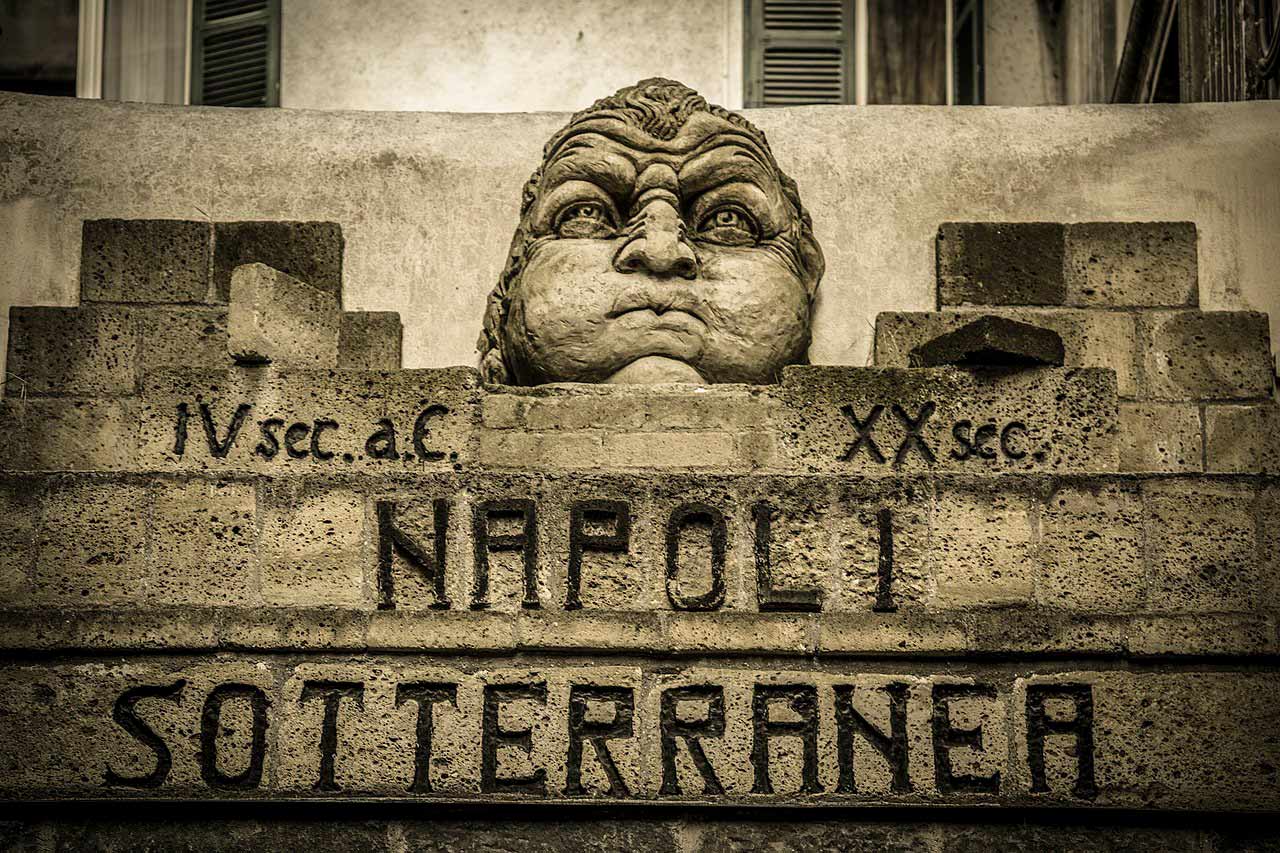
Today, the term includes:
- Ancient tunnel systems beneath the historic center
- Large underground cisterns connected to old aqueducts
- Monumental passageways built in the 19th century
- Early Christian catacombs used as burial and worship sites
- Underground museum complexes combining archaeology and exhibitions
Because these spaces served very different purposes, Naples Underground is not a single experience, but a collection of distinct visits located in various parts of the city. Each site offers a unique perspective on how Naples developed underground, from infrastructure and defense to religion and daily life.
The Main Underground Experiences in Naples
Naples offers several types of underground visits, each focusing on a different aspect of the city’s hidden history. While all of them take place below street level, the experiences vary significantly in purpose, atmosphere, and historical context. Understanding these differences helps visitors choose the underground sites that best match their interests.
The main underground experiences in Naples can be grouped into three categories: underground tunnel tours, catacombs, and underground museums or complexes.
⌒ Naples Underground Tunnel Tours
Underground tunnel tours explore the infrastructure beneath the historic city, including ancient quarries, water cisterns, aqueducts, and passageways carved into the volcanic rock. These tunnels were created over centuries and later reused for water supply, storage, and civil defense.
Most tunnel tours involve large underground spaces, staircases descending from street level, and guided explanations focused on engineering, urban development, and daily life underground. Some routes emphasize ancient history, while others focus on more recent periods such as the Bourbon era or World War II.
These tours are typically located beneath the historic center and nearby districts, and they represent what many visitors commonly mean when referring to “Naples Underground.”
Classic underground route beneath the historic center, exploring ancient tunnels, cisterns, and aqueducts.
A more intimate underground experience beneath one of Naples’ liveliest neighborhoods, featuring narrow tunnels and chambers.
A monumental 19th-century tunnel used as a royal passageway and later as a World War II air-raid shelter.
✜ The Catacombs of Naples
The catacombs of Naples are underground burial sites, primarily dating back to the early Christian period. Unlike tunnel systems built for infrastructure or movement, catacombs were created for religious, funerary, and community purposes.
These sites feature underground basilicas, frescoes, tombs, and long galleries carved into the rock. Visits focus on early Christian art, burial practices, and the religious history of Naples rather than engineering or urban infrastructure.
Although they are underground, catacombs represent a distinct type of experience and are conceptually different from tunnel tours beneath the city center.
👉 Discover the catacombs of Naples
An evocative underground cemetery beneath the Basilica of Santa Maria della Sanità, known for its frescoes and skull niches.
Vast early Christian burial galleries featuring underground basilicas, frescoes, and tombs carved into volcanic rock.
🏛️ Underground Museums and Complexes
Some underground sites in Naples combine archaeology, architecture, and museum-style exhibitions. These complexes often include ancient underground spaces integrated with churches, historic buildings, or modern multimedia displays.
Rather than following a single tunnel route, visitors explore a series of underground rooms and layers, often moving between different historical periods within the same site. These visits are usually less focused on large-scale tunnel systems and more on contextual storytelling and cultural interpretation.
Underground museums provide a broader cultural experience, blending hidden spaces with curated exhibitions and historical narratives.
👉 Explore underground museums in Naples
An underground archaeological area revealing Roman streets, markets, and structures preserved beneath the Basilica of San Lorenzo Maggiore.
A multi-layered underground site combining ancient Greek cisterns, Roman remains, and modern multimedia installations beneath Naples’ historic center.
Why These Experiences Are Often Confused
Because all of these sites are located below ground, the term “Naples Underground” is frequently used to describe very different attractions. In practice, however, tunnel tours, catacombs, and underground museums serve different purposes and offer distinct visitor experiences.
This guide separates them clearly to help you understand what each type of underground visit involves and how they differ from one another.
Are Naples Underground visits guided?
Yes — all Naples Underground visits take place as guided tours. Independent or self-guided access to underground sites is not permitted, as these spaces are complex, fragile, and often difficult to navigate without supervision.
Guided visits ensure both visitor safety and the preservation of the underground environment, while also providing essential historical and contextual explanations. Depending on the site, guides focus on topics such as ancient engineering, water systems, urban development, religious history, or more recent uses of the underground spaces.
Because underground sites vary in layout, depth, and accessibility, guided tours also help visitors understand what to expect during the visit and ensure that routes are adapted to the specific characteristics of each location.
How Are Naples Underground Sites Different From Each Other?
Although all underground sites in Naples are located below street level, the experiences differ significantly depending on their original purpose, historical period, and layout. Understanding these differences helps visitors choose the underground sites that best match their interests and comfort level.
Main types of underground experiences
Underground tunnel tours focus on the city’s hidden infrastructure:
- Ancient tunnels, quarries, and water cisterns
- Greek and Roman engineering carved into volcanic rock
- Large chambers, staircases, and long passageways
- Emphasis on urban development and daily life underground
The catacombs of Naples were created for religious and funerary use:
- Early Christian burial galleries and underground basilicas
- Frescoes, tombs, and devotional spaces
- Focus on religious history and burial traditions
- Less emphasis on tunnels or urban infrastructure
Underground museums and complexes combine archaeology and exhibitions:
- Multiple underground layers within a single site
- Roman streets, ancient structures, and preserved remains
- Museum-style interpretation and curated displays
- A more cultural and educational visit format
What this means for visitors
Because of these differences, Naples Underground visits can vary greatly:
- Wide, open spaces or narrow corridors
- Engineering-focused explanations or cultural storytelling
- Infrastructure, religious history, or archaeological interpretation
Each underground site offers a distinct perspective on the city beneath Naples, rather than a single, uniform experience.
| Experience type | What you explore | Main focus | Typical feel |
|---|---|---|---|
| Underground tunnel tours | Tunnels, cisterns, aqueducts, passageways | Urban infrastructure & engineering | Large underground spaces, staircases, guided routes |
| Catacombs of Naples | Burial galleries, underground basilicas, frescoes | Religious & funerary history | Sacred atmosphere, early Christian art |
| Underground museums & complexes | Archaeological layers, Roman remains, exhibitions | Cultural interpretation & archaeology | Museum-style visit, curated storytelling |
Is Naples Underground Worth Visiting?
For many visitors, exploring Naples underground is considered one of the most memorable experiences in the city. Beneath the surface, Naples reveals layers of history that are not visible at street level, offering a deeper understanding of how the city developed over more than two millennia.
Naples Underground visits are particularly rewarding for travelers interested in:
- History and archaeology beyond monuments and museums
- Ancient engineering and urban infrastructure
- Hidden places and unusual perspectives on well-known cities
Because the underground sites vary greatly — from vast tunnels and cisterns to early Christian catacombs and archaeological complexes — the experience can be tailored to different interests. Some visits emphasize ancient and Roman history, while others focus on religious heritage, modern history, or cultural interpretation.
While underground visits require joining a guided tour and descending below street level, many travelers find that the insight gained into Naples’ hidden layers adds depth and context to everything they see above ground. For visitors curious about the city’s past and its lesser-known spaces, Naples Underground is often well worth including in an itinerary.
Planning an Underground Visit in Naples
Planning a visit to Naples Underground involves choosing between several different sites, each with its own location, route, and historical focus. Underground visits take place in multiple areas of the city, rather than at a single entrance, and schedules can vary depending on the site and time of year.
Because access to underground spaces is only possible with a guide and group sizes are limited, availability may be restricted during busy periods. Visitors planning their itinerary in advance often find it easier to choose a site that fits their schedule, interests, and comfort level.
When preparing for an underground visit, it is useful to keep in mind:
- Visits take place below street level and involve staircases
- Temperatures underground are usually cooler than outside
- Tours vary in duration and historical focus
- Exact schedules and meeting points differ by site
For visitors who want to compare options and check availability, viewing guided tour details in advance can help ensure a smooth and well-planned experience.
Naples Underground – FAQ
What does “Naples Underground” refer to?
The term Naples Underground refers to the network of underground sites beneath the city, including tunnel systems, ancient cisterns, catacombs, and underground museums. It is not a single attraction, but a collection of different underground experiences located in various parts of Naples.
What is Napoli Sotterranea?
Napoli Sotterranea is the name commonly used to describe the classic underground tunnel route beneath the historic center of Naples, accessed from the San Gaetano area. This route focuses on ancient tunnels, cisterns, and aqueducts carved into the volcanic rock.
While the term is often used informally to describe Naples’ underground in general, Napoli Sotterranea actually refers to one specific underground route, rather than all underground sites in the city.
Can you visit Naples Underground on your own?
No. All underground visits in Naples take place as guided tours. Independent or self-guided access is not permitted, as underground spaces are complex and require supervision for safety and preservation reasons.
How long do Naples Underground visits usually last?
Most underground visits last between 1 and 1.5 hours, depending on the site and route selected. Duration can vary slightly based on the historical focus and layout of each underground location.
Are Naples Underground visits suitable for everyone?
Many underground sites are suitable for a wide range of visitors, but conditions vary by location. Some routes include narrow passages or multiple
staircases, while others feature larger open spaces. Checking site characteristics in advance helps ensure the experience matches your comfort level.